Description
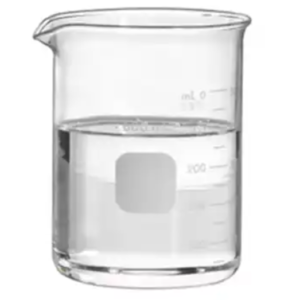
- Xylene is a clear, colorless liquid known for its sweet and aromatic odor, commonly associated with paint thinners and other solvents.
- It is composed of three isomeric forms: o-xylene (ortho-xylene), m-xylene (meta-xylene), and p-xylene (para-xylene), each differing in the arrangement of methyl groups on the benzene ring.
- Being an aromatic hydrocarbon, xylene is largely immiscible with water but exhibits good solubility with many organic solvents.
- Xylene is a versatile solvent, often employed in laboratories for cleaning glassware, dissolving resins, and in histology for tissue processing.
- This compound is a key ingredient in the manufacture of plastics, synthetic fibers, and various other chemical products.
- Xylene also finds its way into the paint industry, serving as a popular solvent in paint thinners, varnishes, and adhesives.
- Its use isn’t limited to industrial applications; it plays a role in medical laboratories, especially in tissue preparation for microscopy.
- Due to its potential health hazards, working with xylene necessitates proper ventilation and protective measures to prevent prolonged inhalation exposure.
- It’s crucial to distinguish between the different isomers of xylene, as their properties and applications can vary.
With its multifaceted utility, xylene remains a significant compound in the chemical industry, ensuring efficient production and processing across a range of sectors.