Description
Chemical Identity:
- Chemical Name: Sodium Dichloroisocyanurate Dihydrate
- Abbreviation: SDIC Dihydrate
- CAS Number: 51580-86-0
- Chemical Formula: C_3Cl_2N_3NaO_3·2H_2O
Physical Properties:
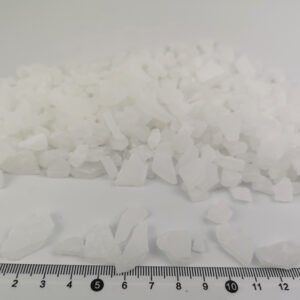
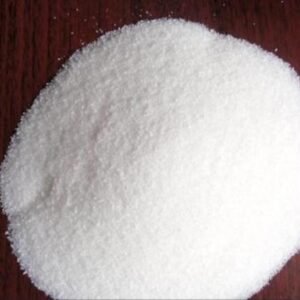
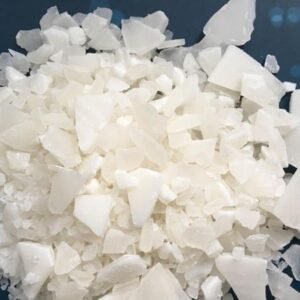
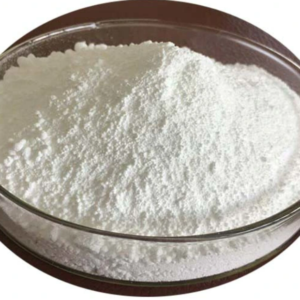
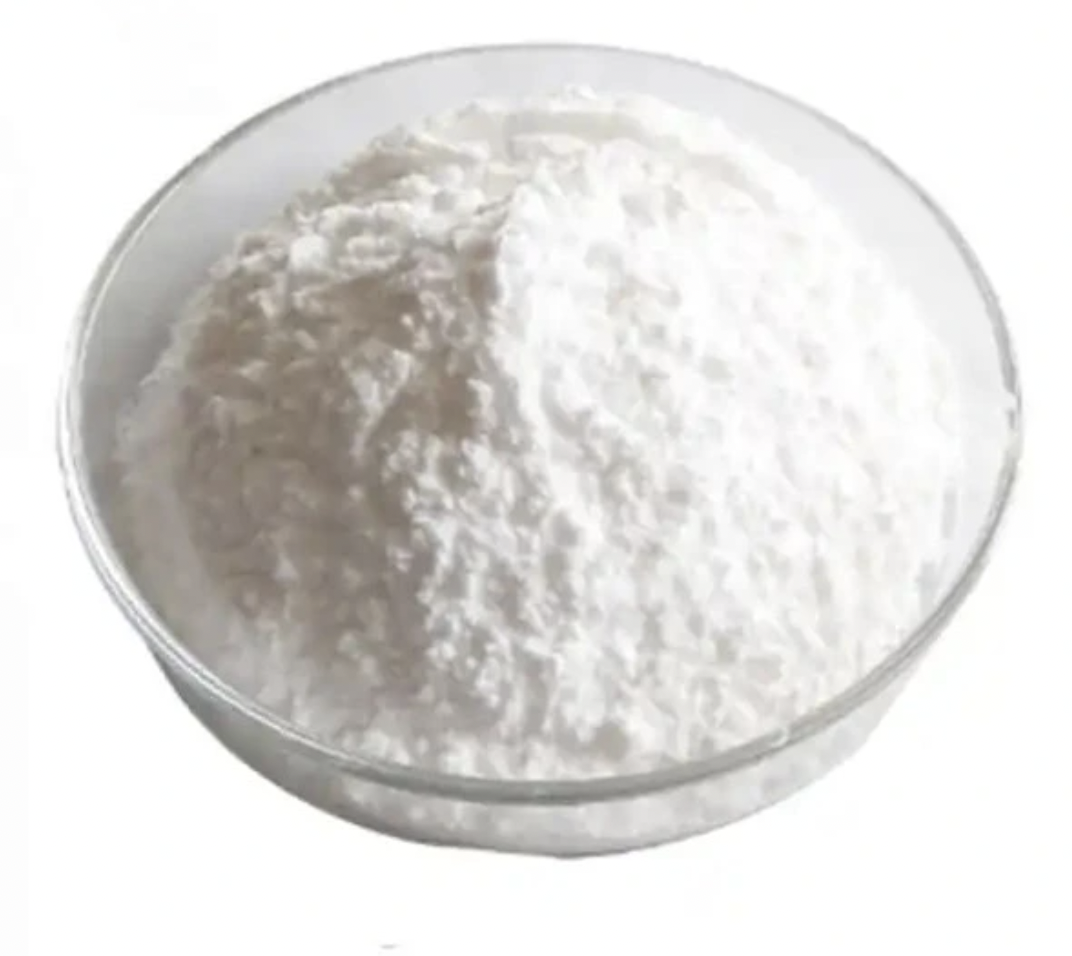
- Physical State: Available in granular, powder, or tablet form.
- Color: White or off-white.
- Odor: Slight chlorine-like odor.
- Melting Point: Decomposes before melting.
- Solubility: Soluble in water, forming a clear solution.
- Stability: Stable under normal temperatures and pressures.
Chemical Properties:
- Active Chlorine Content: Typically around 55% for SDIC Dihydrate.
- pH: The solution is slightly acidic to neutral.
- Oxidizing Properties: Strong oxidizer, especially when in solution.
- Decomposition: Releases nitrogen trichloride and chlorine gas upon decomposition.
Safety Information:
- Hazard Classification: Classified as an oxidizing agent and irritant.
- Handling Precautions: Requires handling with protective equipment like gloves, goggles, and suitable clothing.
- First Aid Measures: In case of contact with skin or eyes, immediate rinsing with plenty of water is necessary. Seek medical attention if necessary.
- Storage Recommendations: Should be stored in a cool, dry, and well-ventilated area, away from incompatible substances like acids and organic materials.
Environmental Impact:
- Biodegradability: Not readily biodegradable.
- Ecotoxicity: Can be harmful to aquatic life; precautions required to prevent environmental release.
- Disposal Considerations: Disposal should comply with local environmental regulations.
Applications and Uses:
- Water Treatment: Disinfection of drinking water, swimming pools, and sewage.
- Agriculture: Used in aquaculture and for disinfecting irrigation water.
- Food Industry: Sanitation in food processing and beverage plants.
- Healthcare Sector: Surface disinfection in hospitals and clinics.
- Household Cleaning: Ingredients in household disinfectants and sanitizers.
- Emergency Water Treatment: Utilized in water purification tablets for emergency use.
Packaging Options:
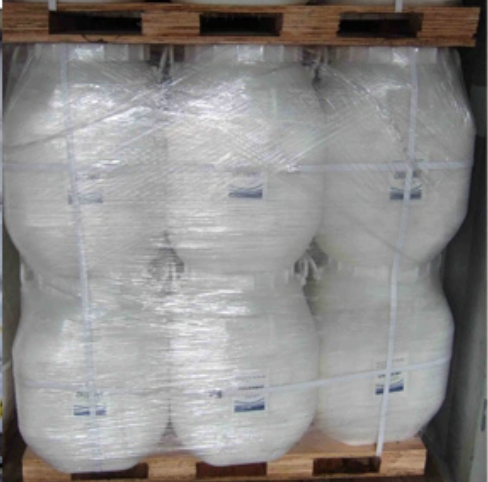
- Plastic Drums: For large bulk quantities, especially for industrial use.
- Fiber Drums: Alternative for bulk transport, offering robust protection.
- Carton Boxes with Inner Linings: Used for smaller quantities, ensuring moisture protection.
- Bags: Polyethylene or polypropylene bags for smaller industrial or commercial quantities.
- Custom Packaging: Depending on customer requirements and transportation regulations.