Description
Introduction:
- Polyglycerol Polyricinoleate (PGPR) has a variable chemical formula due to its polymeric nature.
- It belongs to the family of food emulsifiers.
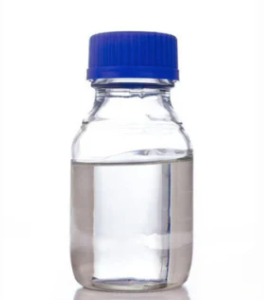
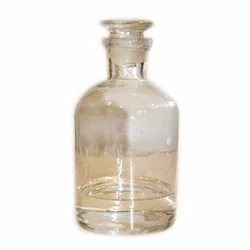
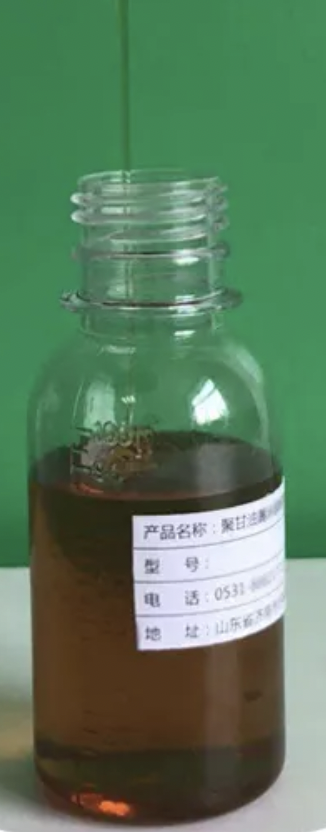
- Recognizable by its amber to light brown color and viscous consistency.
Usage and Versatility:
- Primarily used in the food industry, particularly in chocolate production.
- Exhibits excellent emulsifying properties, blending well with fats and oils.
- Acts as a multifunctional ingredient in various culinary applications.
History and Production:
- Historically derived from castor oil, a natural source.
- Modern production involves the esterification of polyglycerol with fatty acids from castor oil.
Applications:
- Essential in reducing the viscosity of chocolate and improving its flow properties.
- Used in baked goods for improved texture and shelf-life.
- Plays a role in cosmetics, particularly in creams and lotions.
Safety Precautions:
- Generally recognized as safe for consumption.
- Direct contact might cause minor skin or eye irritation.
- Handling in industrial settings may require standard safety gear.
Environmental Impact:
- Considered environmentally friendly due to its biodegradable nature.
- Does not accumulate in the environment, posing minimal ecological risk.
- Proper disposal and handling are recommended.
Conclusion:
- Polyglycerol Polyricinoleate is more than just an emulsifier; it has versatile applications, rooted in natural sources, and is committed to safety and environmental sustainability.
- Its unique properties make it an essential ingredient in various industries, particularly in enhancing food quality and texture.
- PGPR stands out for its efficacy, making it a valuable addition to a wide range of products.