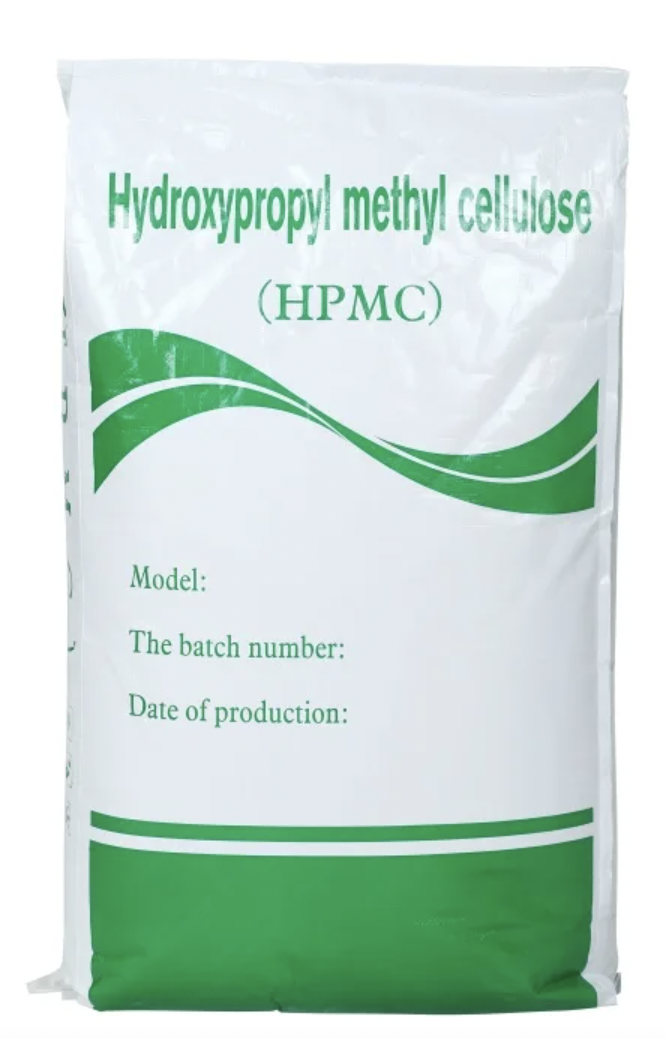
Description
Chemical Description
- Chemical Structure:
- HPMC is a synthetic polymer derived from cellulose.
- It is created through chemical modifications of cellulose, involving the introduction of hydroxypropyl and methoxy groups onto the cellulose backbone.
- Hydroxypropyl Modification:
- Hydroxypropyl groups are added to cellulose through a reaction with propylene oxide.
- This modification enhances solubility, water retention, thickening, and film-forming properties.
- Methoxy Modification:
- Methoxy groups are introduced through a reaction with methyl chloride.
- Methoxylation contributes to water solubility and gelation properties.
- Properties of HPMC:
- HPMC exhibits a wide range of properties:
- Thickening and Gelling
- Water Retention
- Film Formation
- Controlled Release
- Binding
- Stabilization
- Surface Modification
- Biodegradability
- Applications of HPMC:
- HPMC is used in various industries, including:
- Pharmaceuticals
- Construction
- Food Industry
- Cosmetics
- Paints and Coatings
- Adhesives
- Textiles
- Oil and Gas
- Pharmaceuticals:
- Functions as a binder, controlled-release agent, and thickener in drug formulations.
- Construction:
- Enhances workability and water retention in cement-based materials, plastering, and tile adhesives.
- Food Industry:
- Used as a thickener, gelling agent, and film former, especially in confectionery.
- Cosmetics:
- Found in creams, lotions, shampoos, and other personal care products.
- Paints and Coatings:
- Improves viscosity and stability in paint and coating formulations.
- Adhesives:
- Enhances bonding and tackiness in adhesive products.
- HPMC is used in various industries, including:
- HPMC exhibits a wide range of properties: