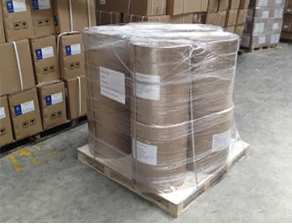
Description
Chemical Description
Chemical Nature and Features:
- Comprises a phosphonic acid group, which is central to its chelating abilities.
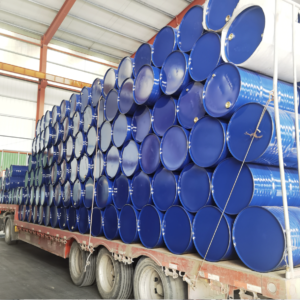
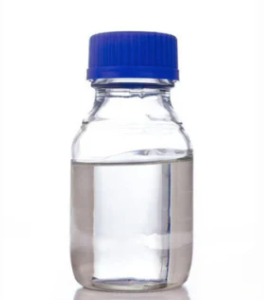
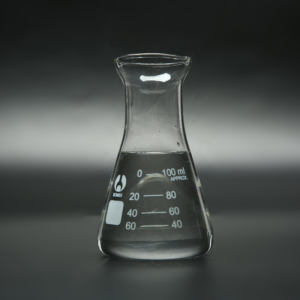
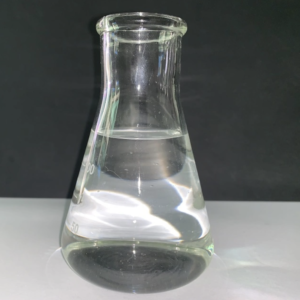
- Appears typically as a colorless to pale yellow liquid or crystals in its purest form.
- Odorless or has a faint, characteristic odor not usually detectable by non-industrial sensors.
Industrial Usage and Importance:
- Actively prevents scale formation and corrosion in water systems, enhancing longevity and efficiency.
- Operates as a chelating agent by binding to metal ions, thus inhibiting deposit formation.
Synthesis and Processing:
- Synthesized via a chemical reaction involving phosphorous acid and acetic acid in the presence of a catalyst.
- Production demands rigorous control conditions and adherence to safety standards due to its corrosive nature.
Applications in Various Sectors:
- Integral in maintaining the balance of water chemistry in industrial, municipal, and domestic water treatment facilities.
- Plays a pivotal role in the detergent industry to protect machinery and enhance cleaning efficacy.
- In the textile and paper industries, it is used to manage mineral deposits and improve product quality.
Health and Safety Considerations:
- Known as a mildly hazardous substance with specific handling requirements to avoid skin and eye contact.
- Exposure guidelines and proper handling procedures are outlined in material safety data sheets (MSDS).
Environmental Aspects:
- Regarded as relatively biodegradable compared to other phosphonates, reducing its environmental footprint.
- Handled with care to prevent undue soil and aquatic contamination.
In Conclusion:
- HEDP 98% stands as a vital agent in water treatment and maintenance, owing to its superior chelating properties.
- Its comprehensive application across multiple industries denotes its indispensable role in modern manufacturing and maintenance.
- With careful management, HEDP 98% can be utilized effectively while minimizing health risks and environmental impact.