
Description
Chemical Nature and Features:
- Possesses a cyclical hexane backbone with a single ketone functional group.
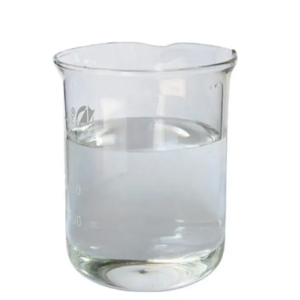
- Exhibits a clear to pale yellow appearance and has a distinctive oily texture.
- Known for its sharp, sweetish odor that resembles acetone and peppermint.
Industrial Usage and Importance:
- Serves as a crucial intermediate in the production of nylon by yielding adipic acid and caprolactam.
- Functions effectively as a solvent due to its miscibility with other organic compounds.
Synthesis and Processing:
- Produced predominantly through the oxidation of cyclohexane in the presence of catalysts.
- Manufacture and handling require adherence to stringent safety protocols due to its flammability and potential health hazards.
Applications in Various Sectors:
- Utilized in the synthesis of various resins and films, contributing to its widespread use in the plastic industry.
- Essential in the production of coatings, adhesives, and varnishes, underscoring its versatility.
Health and Safety Considerations:
- Classified as an irritant with potential health effects if inhaled, ingested, or in contact with skin.
- Safety data sheets recommend the use of personal protective equipment when handling the substance.
Environmental Aspects:
- Requires proper waste management due to its organic nature and potential for combustion.
- Handled with environmental care to prevent soil and water contamination.
In Conclusion:
- Cyclohexanone is an indispensable chemical in modern industry, particularly for synthetic fibers and solvents.
- Its utility and efficacy are balanced by a commitment to health and environmental safety.
- The compound’s multifaceted applications and chemical significance make it a valuable resource across numerous sectors.