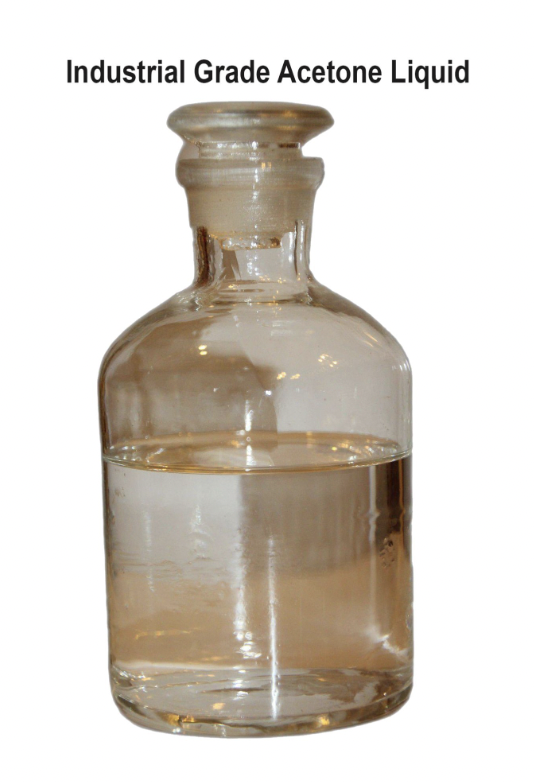
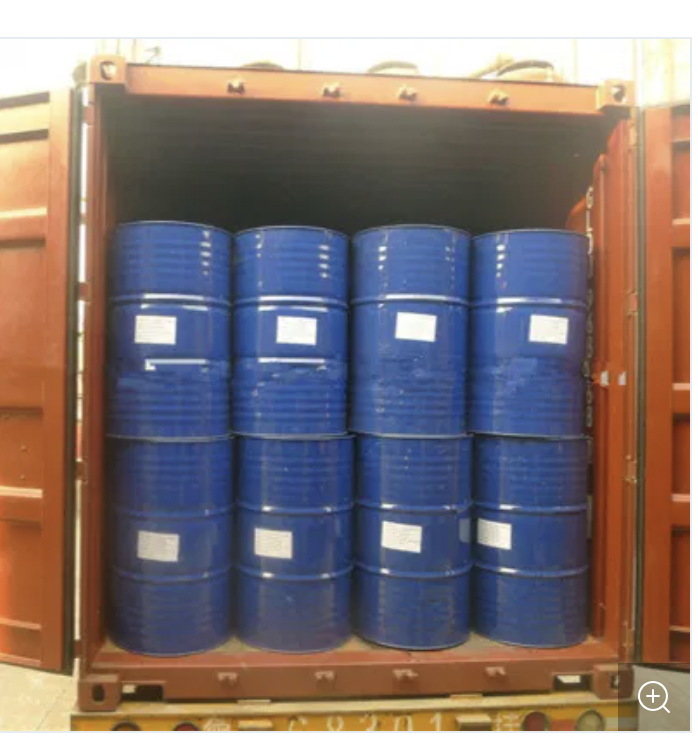
Description
Introduction:
- Acetone’s chemical formula is C3H6O.
- It is a prominent member of the ketone family.
- Recognizable by its sweet aroma.
Usage and Versatility:
- Widely used by DIY enthusiasts, nail art aficionados, and scientific researchers.
- High versatility; can blend with various substances, from water to organic solvents.
- Acts as a multifunctional tool suitable for various applications.
History and Production:
- Historically, acetone was extracted from wood.
- Modern production uses advanced methods like the cumene process, ensuring high-quality acetone.
Applications:
- Popularly known for removing nail polish.
- Plays a significant role in the pharmaceutical industry, aiding in drug production.
- Used in plastic manufacturing.
- Important in automobile care for maintenance and performance enhancement.
Safety Precautions:
- While useful, acetone can be potent and may lead to side effects like dizziness or skin dryness.
- Ensure proper ventilation when using acetone to avoid inhaling excess fumes.
- For prolonged use, wearing gloves is recommended to protect the skin.
Environmental Impact:
- Acetone is eco-friendly.
- It evaporates rapidly, leaving minimal atmospheric impact.
- In water bodies, acetone disperses and degrades quickly, protecting marine ecosystems.
- However, responsible disposal is crucial; users should adhere to local disposal guidelines.
Conclusion:
- Acetone is more than just a solvent; it has a rich history, offers diverse utility, and is committed to safety and sustainability.
- Its qualities make it a preferred choice in various sectors.
- Acetone ensures performance and reliability, making it a worthy addition to various applications.