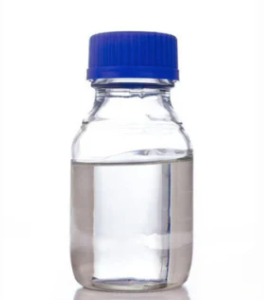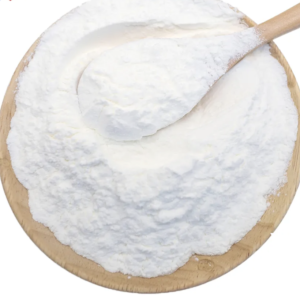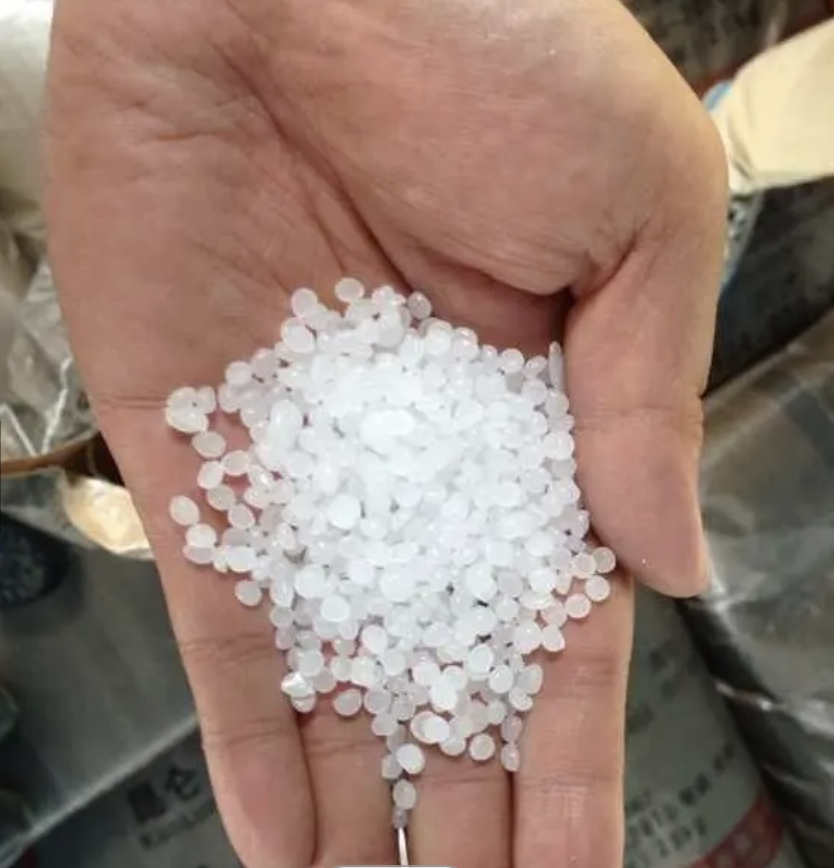
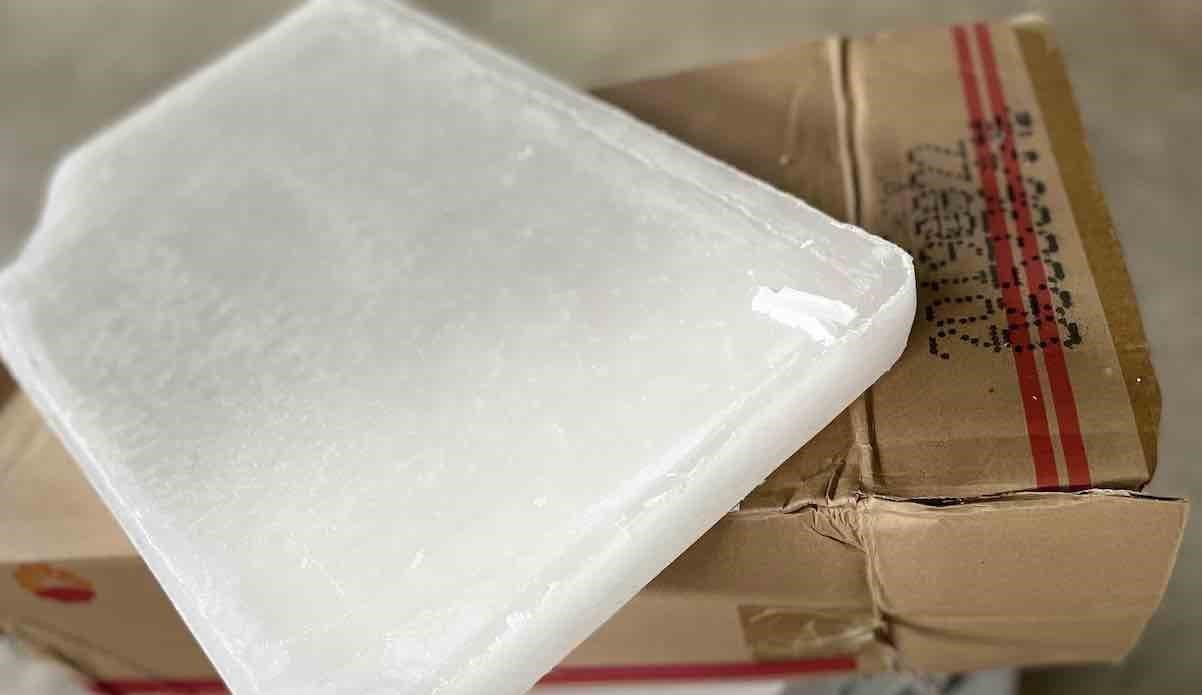
Description
- Paraffin wax is a hydrocarbon-based substance, consisting of saturated aliphatic hydrocarbons.
- It has low thermal conductivity and high heat retention properties, making it effective for thermal insulation and as a phase change material.
- Paraffin wax is chemically stable and has a low reactivity, making it a suitable material for various industrial and consumer applications.
- Due to its water-resistant properties, paraffin wax is commonly used in applications where moisture protection is required.
- Its solid state at room temperature and ability to change from solid to liquid at relatively low temperatures make it valuable for candles and heat storage systems.
- Paraffin wax is a preferred choice for applications requiring a stable, odorless, and colorless material, as it does not readily react with other substances.
- Paraffin wax is derived from the fractional distillation of crude oil, making it a byproduct of petroleum refining processes.
- Its ability to undergo phase transitions between solid and liquid states with a well-defined melting point makes it useful in applications like temperature-regulated containers and thermal energy storage systems.
- Paraffin wax is often used as a lubricant in various industries due to its low coefficient of friction and ability to reduce wear and friction between moving parts.
- In the food industry, paraffin wax is valued for its non-reactive and non-toxic nature, allowing it to be used in food packaging and as a protective coating for certain food products.
- The chemical stability of paraffin wax contributes to its long shelf life and resistance to degradation over time.
- Paraffin wax’s low heat of fusion and ability to absorb and release heat during phase transitions make it useful for temperature control and heat management applications.
- It is a cost-effective material for various applications, contributing to its popularity in diverse industries.
- Paraffin wax’s inert nature and low reactivity make it a preferred material in various chemical and industrial processes where interference with other chemicals is undesirable.
- Its white or colorless appearance and lack of odor make it suitable for applications requiring an unobtrusive and neutral appearance.
- The versatility of paraffin wax allows it to be tailored to specific requirements by modifying its physical properties, such as melting point and hardness, through refining processes.
- Paraffin wax’s ability to form a protective barrier on surfaces, as well as its resistance to moisture, corrosion, and oxidation, makes it valuable in protective and sealing applications.
- It is an economical option for industries seeking reliable and low-cost solutions for their diverse needs