Description
Introduction:
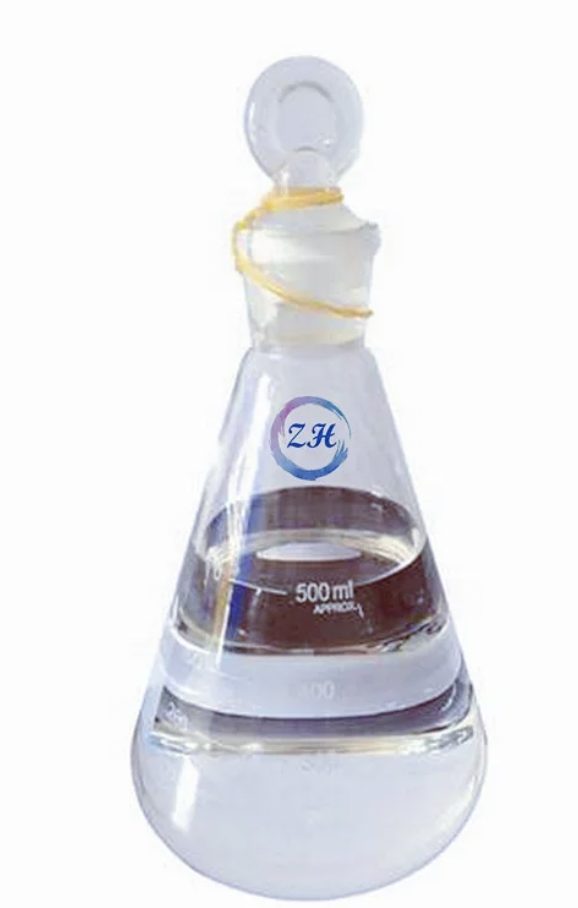
- Ethyl Methyl Carbonate (EMC) is a transparent, colorless liquid.
- It belongs to the carbonate esters group of organic compounds.
- Its chemical formula is C4H8O3.
Physical Properties:
- Density: Approximately 0.97 g/cm³.
- Boiling Point: Ranges between 102-104 °C.
- Melting Point: Around -55 °C.
- Refractive Index: Typically lies between 1.370-1.373.
- Flash Point: About 24-26 °C, making it flammable.
- Solubility: Slightly soluble in water but has good miscibility with organic solvents.
Production:
- EMC is produced through a transesterification reaction involving dimethyl carbonate (DMC) and ethanol.
Applications:
- Battery Industry: EMC is a vital solvent in the electrolyte for lithium-ion batteries due to its appropriate solvent properties and good thermal stability.
- Organic Synthesis: Used as an intermediate in the production of various chemicals.
- Pharmaceuticals: Sometimes utilized as a solvent or reactant in the synthesis of specific drugs.
Safety and Handling:
- EMC is flammable, both in liquid form and as a vapor. It should be kept away from open flames, sparks, or hot surfaces.
- It can cause eye, skin, and respiratory irritation upon exposure. Hence, proper personal protective equipment (PPE) such as gloves, safety glasses, and adequate ventilation are essential during handling.
- As with many organic solvents, it is advisable to avoid prolonged or repeated skin contact.
Environmental Impact:
- If released into the environment, EMC can have detrimental effects on aquatic life. Thus, responsible disposal and handling practices are crucial.
- It’s biodegradable, which means that given time, it will break down in the environment.
Storage:
- Should be stored in cool, dry places away from light and moisture to retain its properties.
- In industrial settings, it’s typically stored in stainless steel or high-density polyethylene containers due to its solvent properties.
Regulatory Aspects:
- Being a chemical of commercial importance, EMC is subject to various regulations worldwide, especially when it comes to transportation and safety.
Market Dynamics:
- The demand for EMC has grown, particularly in regions with significant lithium-ion battery production, due to the surge in electric vehicle adoption.