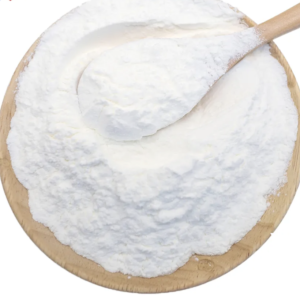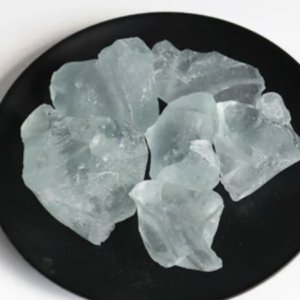
Description
- Ethylene Carbonate (EC), also known as ethylene glycol carbonate, is a chemical compound with a chemical formula of C3H4O3. It features a five-membered ring containing oxygen and carbon atoms, forming a cyclic ester.
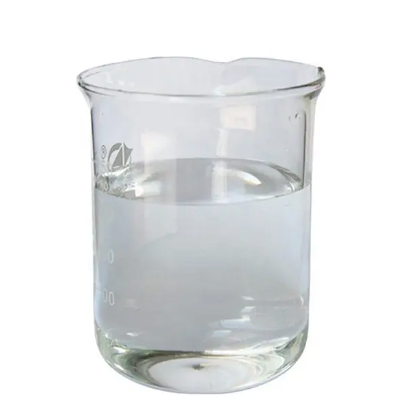
- It is a clear, colorless liquid with a faint sweet odor and a relatively high boiling point of approximately 248°C (478°F). It is also hygroscopic, readily absorbing moisture.
- Ethylene Carbonate is valued for its excellent solvent properties. It has the capacity to dissolve a diverse range of organic and inorganic materials, making it highly sought after in various industrial applications.
- In the energy storage industry, Ethylene Carbonate is an essential component in the formulation of electrolytes for lithium-ion batteries. Its ability to dissolve lithium salts and high dielectric constant contribute to improved battery performance and stability.
- In the electronics sector, it is used in the production of electrolytic capacitors and serves as a solvent in semiconductor manufacturing processes.
- The pharmaceutical industry utilizes Ethylene Carbonate as a solvent in medication formulation and as a tool for extracting specific compounds from natural sources.
- It plays a vital role in gas separation processes, particularly for capturing and removing carbon dioxide in industrial applications.
- Due to its high-temperature stability and lubricating properties, it is a valuable component in lubricants and greases for various applications.
- Ethylene Carbonate is involved in the production of certain plastics and polymers, contributing to their mechanical and thermal properties.
- In the food industry, it is employed as a solvent for extracting flavors, fragrances, and spices. It is also used for decaffeinating coffee and tea.
- In general chemical processes, Ethylene Carbonate serves as a versatile solvent and reagent, contributing to the synthesis of various chemicals and specialty compounds.
- It can be a component of pesticide formulations in the agricultural sector.
- Due to its low toxicity and biodegradability, Ethylene Carbonate is explored in the development of more environmentally friendly solvents and chemicals.
- Despite its relatively high boiling point, it has a lower boiling point compared to some solvents, making it suitable for applications that require a solvent with a moderate evaporation rate.