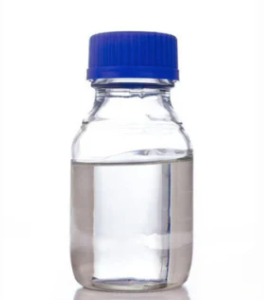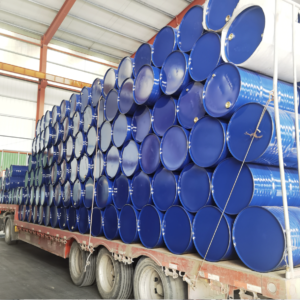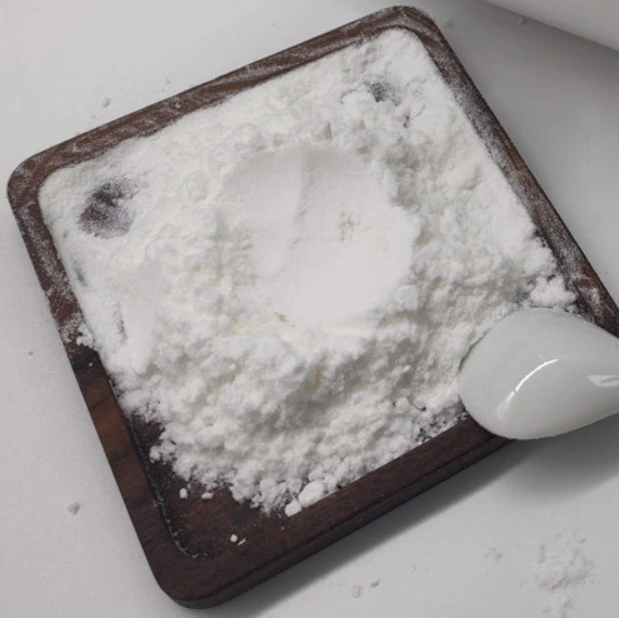

Description
Introduction to Lithium Fluoride:
- Lithium Fluoride (LiF) is an inorganic compound, known for its stability and utility across various industrial sectors.
- It is a white, crystalline, and odorless material primarily utilized in the chemical and nuclear industries.
Industrial and Commercial Applications:
- Optical Applications: Used in UV and infrared equipment, LiF is integral in manufacturing optical components like lenses and windows, thanks to its transparency over a broad spectrum.
- Nuclear Industry: LiF is crucial in molten salt reactors, serving as a solvent for nuclear fuel due to its high melting point and thermal stability.
- Aluminum Smelting: It enhances the efficiency of aluminum production when added to aluminum smelting electrolytes.
- Chemical Synthesis: In the chemical industry, LiF acts as a catalyst in organic compound synthesis and pharmaceutical manufacturing.
- Molten Salt Electrolysis: It’s used in the electrolysis of molten salts, playing a key role in the extraction and refining of metals.
- Lithium-Ion Batteries Production: LiF is utilized in the production of lithium-ion batteries, where it contributes to the enhancement of battery performance and efficiency.
Environmental Impact and Sustainability:
- Recycling in Nuclear Use: Recycling and proper waste management of LiF, especially in nuclear applications, are essential for minimizing environmental impact.
- Role in Sustainable Technology: LiF’s use in renewable energy systems and lithium-ion batteries underscores its importance in sustainable technology development.
Market Dynamics:
- Growth in Energy Sector: The demand for LiF is bolstered by the expanding nuclear energy sector and the growing market for lithium-ion batteries.
- Technological Developments: Innovations in optical and electronics industries continually expand the applications of LiF.
- Sustainability Focus: As industries shift towards greener practices, LiF’s role in sustainable energy production gains prominence.